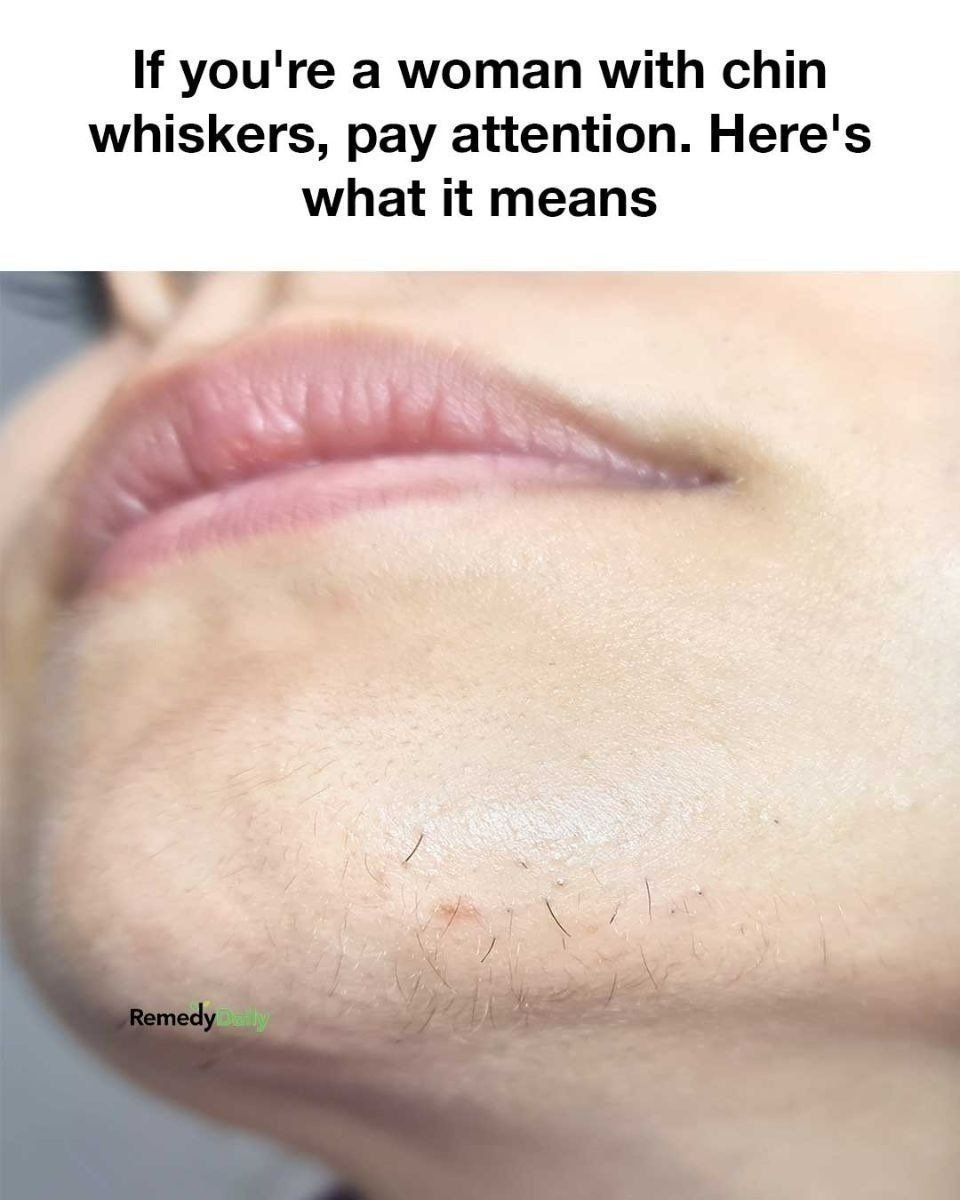
If chin hair appears suddenly or becomes thicker, hormones may be involved.
👉 Possible signs:
- Increased facial hair
- Irregular periods
- Acne or oily skin
👉 This could indicate a hormonal imbalance affecting hair growth.
Step 3: Polycystic Ovary Syndrome (PCOS)
One of the more common causes of excess chin hair is Polycystic Ovary Syndrome.
👉 Other symptoms include:
- Irregular menstrual cycles
- Weight gain
- Difficulty getting pregnant
👉 Chin whiskers in this case are due to higher androgen levels.
Step 4: Genetics
Sometimes, it’s simply in your DNA.
👉 If women in your family have:
- Facial hair
- Coarse hair growth
Then it may be completely normal for you too.
Step 5: Medications or Medical Conditions
Certain medications or conditions can trigger facial hair growth.
👉 Examples:
- Hormonal treatments
- Steroids
- Rare adrenal or ovarian conditions
👉 If the change is sudden, it’s worth checking with a doctor.
Step 6: When Should You Be Concerned?
You should consider medical advice if:
❗ Hair growth becomes rapid or excessive
❗ You notice other symptoms (acne, irregular cycles)
❗ Hair appears along with voice changes or hair thinning
👉 These could signal deeper hormonal issues.
Step 7: What You Can Do
✔️ Temporary solutions:
- Tweezing
- Waxing
- Laser hair removal
✔️ Long-term:
- Hormonal evaluation
- Medical treatment if needed
Final Thoughts
Chin whiskers are often completely normal, especially with age. But in some cases, they can reflect hormonal changes or underlying conditions.
👉 The key is simple:
Pay attention to patterns—not just one hair.
Bottom Line
A few chin hairs? Normal.
Sudden changes? Worth checking.