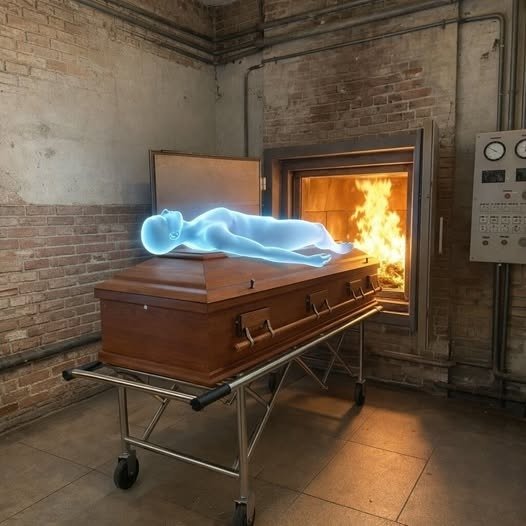
Cremation is mentioned in a few places—but usually in specific contexts, not general rules.
👉 For example:
- Bodies burned during times of war or judgment
- Exceptional circumstances, not standard practice
👉 Important:
These passages do not establish a universal prohibition.
Step 4: “Dust to Dust” — What Does It Mean?
A key biblical idea comes from Genesis:
👉 “For dust you are, and to dust you shall return.”
This refers to the natural return of the body to the earth.
👉 Whether through:
- Burial (natural decomposition)
- Or cremation (ashes)
The end result is similar: returning to dust.
Step 5: The Core Christian Belief — Resurrection
Christian teaching emphasizes that:
- God has power over life and death
- Resurrection is not limited by the condition of the body
👉 This means:
Cremation does not prevent resurrection.
Step 6: Why Some People Still Oppose Cremation
Some traditions prefer burial because:
- It reflects biblical customs
- It symbolizes waiting for resurrection
- It shows reverence for the body
👉 These are belief-based preferences, not universally binding rules.
Step 7: What Matters Most Spiritually
The Bible places greater emphasis on:
- Faith
- Righteous living
- Relationship with God
👉 Not the physical method of handling the body after death.
Final Thoughts
❗ The claim that cremation is a sin is not directly supported by the Bible.
👉 Instead:
- Burial was traditional
- Cremation is not explicitly forbidden
- Faith matters more than funeral practices
Bottom Line
Cremation is a personal or cultural choice, not a clearly defined biblical sin.