A Step-by-Step Survival Story from the Mountains


1. The Catastrophic Crash
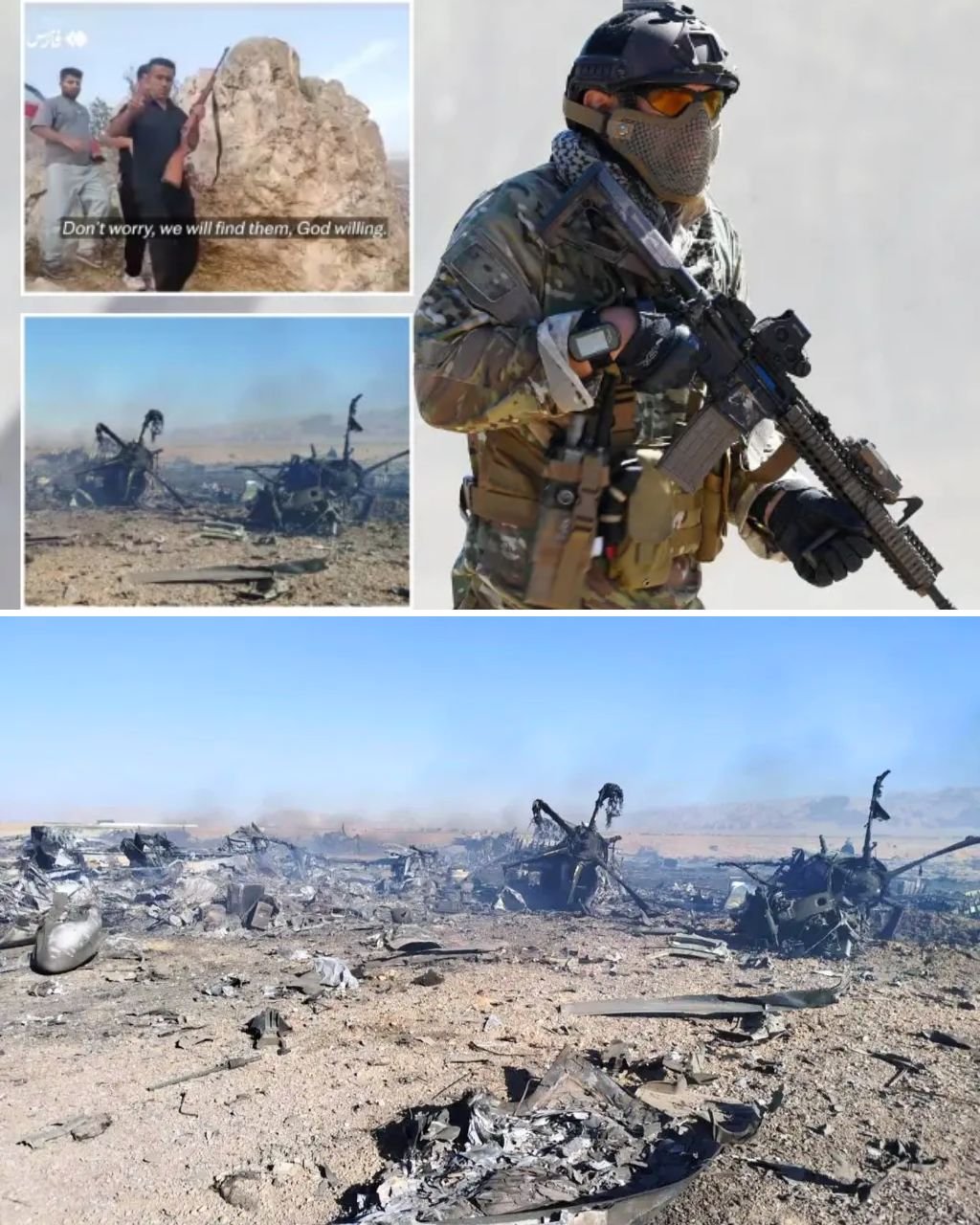
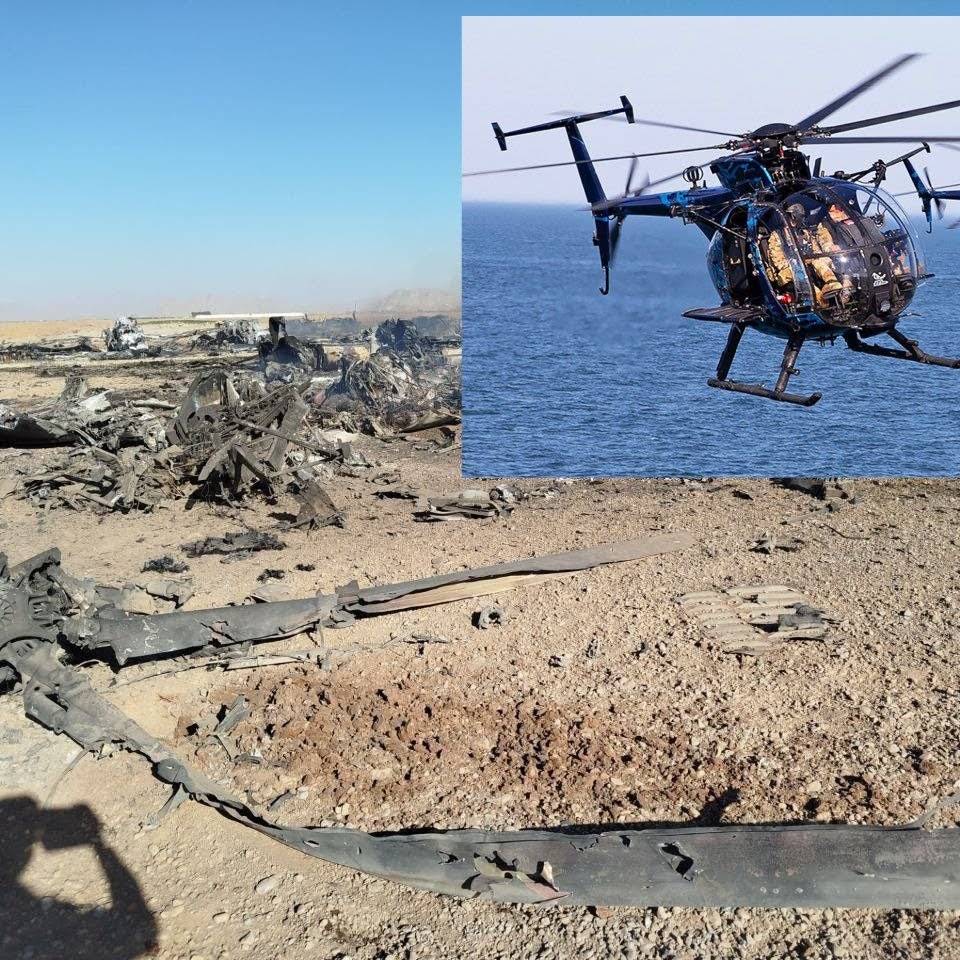
It began in seconds — a violent, disorienting moment that turned routine flight into chaos. The aircraft went down hard in a remote, unforgiving stretch of mountainous terrain. Metal twisted, flames erupted, and debris scattered across the dry, rocky ground.
The pilot survived the impact — but just barely. Injured, shaken, and surrounded by wreckage, he faced a brutal reality: he was alone, deep in hostile territory, with no immediate rescue in sight.
2. Assessing the Situation
Despite pain and confusion, the airman had to think fast. His injuries limited movement, but staying at the crash site meant certain danger. Smoke and debris made the location visible from far away.
He understood one thing clearly:
remaining there would lead to capture or worse.
So he made a critical decision — move, no matter the cost.
3. The Impossible Climb
With limited strength and worsening injuries, the airman began climbing. The terrain was steep, jagged, and unforgiving — rising toward a 7,000-foot ridge.
Each step was a battle:
- Loose rocks slipping underfoot
- Thin air making breathing harder
- Pain slowing every movement
But climbing offered one advantage: distance and concealment.
4. Finding the Perfect Hiding Spot
After reaching higher ground, he located a narrow rock crevice — barely wide enough to fit a human body.
This became his lifeline:
- Hidden from aerial view
- Shielded from direct line of sight
- Difficult to access without close inspection
He squeezed inside, minimizing movement and sound. From that moment on, survival depended on staying invisible.
5. The 36-Hour Ordeal
Time stretched painfully. Hours felt like days.
Below him, search teams moved through the mountains — voices echoing, footsteps crunching over stone. At times, they came dangerously close.
Inside the crevice:
- He endured cold temperatures
- Managed pain without proper medical aid
- Fought exhaustion and dehydration
- Remained completely still to avoid detection
Even a small mistake — a shifting rock or a sound — could have revealed his position.
6. Mental Strength Over Fear
Physical endurance alone wasn’t enough. The real battle was psychological.
Isolation, fear, and uncertainty pressed in. But the airman stayed focused:
- Controlled breathing
- Avoided panic
- Maintained awareness of surroundings
Survival depended on discipline as much as strength.
7. The Critical Moment
As time passed, the search intensified. The danger grew. Remaining hidden forever wasn’t an option.
At a decisive moment, the airman took a calculated risk — leaving the crevice under the right conditions to avoid detection.
This move required:
- Timing
- Awareness of enemy movement
- Absolute precision
It was the turning point between capture and escape.
8. Signaling for Rescue
Once clear of immediate danger, the airman focused on survival’s final phase — rescue.
Using available equipment and training, he managed to signal for help. Eventually, his position was detected, and recovery efforts were initiated.
After 36 hours of extreme conditions, help finally arrived.
9. Survival Against the Odds
What makes this story remarkable is not just survival — but how it happened:
- Severe injury didn’t stop him
- Harsh terrain didn’t break him
- Constant threat didn’t shake his focus
Every decision — from leaving the crash site to choosing the hiding spot — played a role in staying alive.
Final Reflection
This ordeal stands as a powerful example of human resilience under extreme pressure. It highlights how training, mental strength, and quick decision-making can mean the difference between life and death.
In a hostile environment, with no guarantees and no support, one wounded airman endured — and survived.