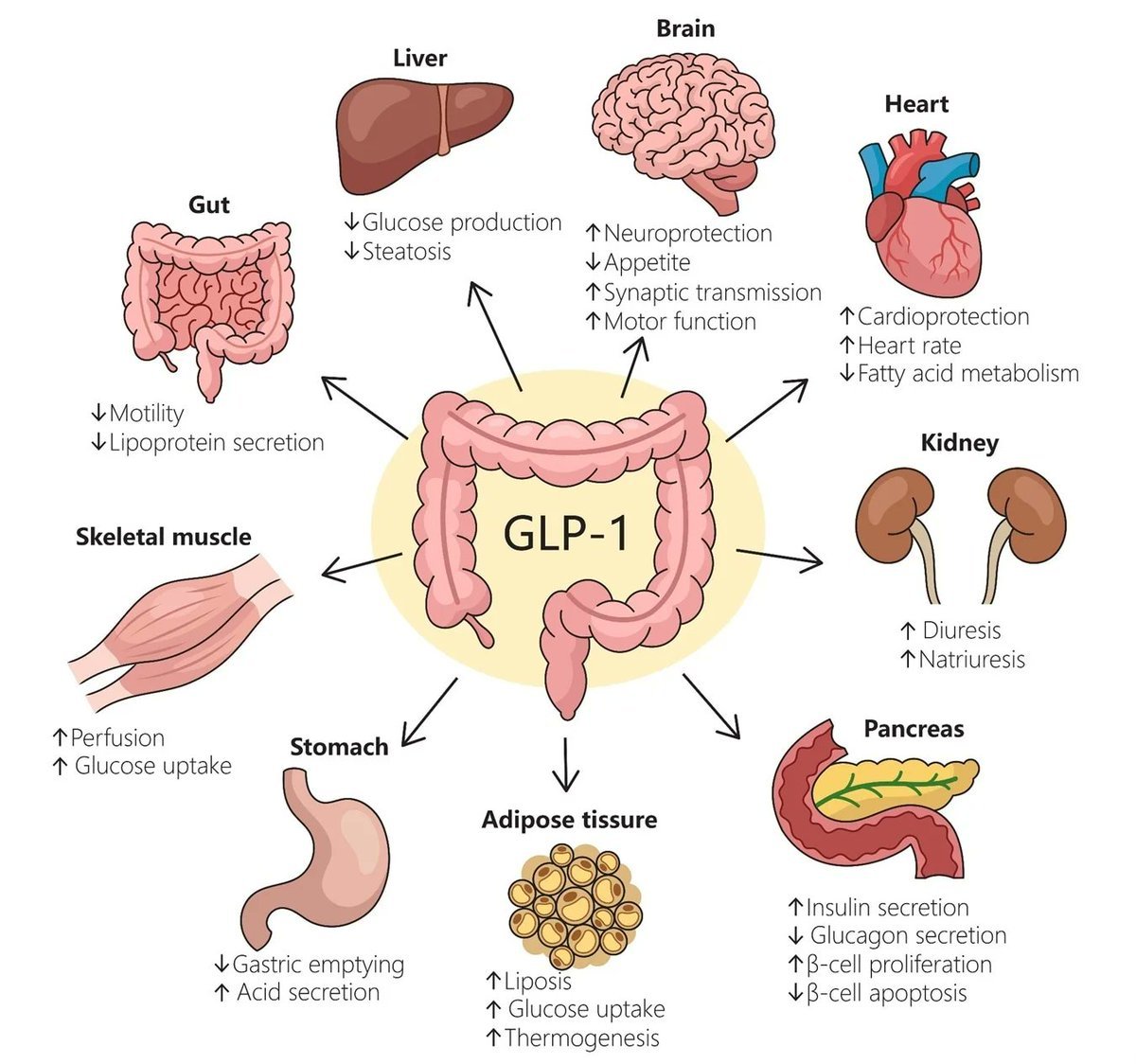
Gut Health: GLP-1 is made in your gut. Your gut bacteria directly control how much of it you produce. A damaged gut means less GLP-1, worse appetite control, and worse blood sugar regulation. Most people focus on food and exercise but ignore this. Beneficial gut bacteria ferment fiber and resistant starch, produce short-chain fatty acids (SCFAs), and these SCFAs signal your gut cells to release GLP-1. What supports this: -Prebiotic foods feed the bacteria that produce GLP-1. Best sources are garlic, onions, leeks, asparagus, chicory root, and green bananas. -Resistant starch is one of the best ways to drive GLP-1 through the gut. Eat cooked and cooled rice or potatoes, green bananas, and legumes regularly. -Fermented foods introduce beneficial bacteria. Kefir, sauerkraut, kimchi, and yogurt with live cultures all support the gut environment that produces GLP-1. -Soluble fiber slows digestion and feeds SCFA-producing bacteria. Good sources include oats, legumes, flaxseeds, apples, and psyllium husk. ***If your gut is compromised, dietary changes alone will not fully optimize your GLP-1. Identify the root cause to fully optimize this. How You Eat: -Eat protein, fat, and fiber before carbohydrates. This produces a stronger GLP-1 response than starting with carbs. -Eat slowly and chew thoroughly. Slower eating produces more GLP-1 and higher satiety. Exercise -Moderate to high intensity exercise raises GLP-1. A combination of cardio and resistance training is the most beneficial. Sleep and Stress -Poor sleep and circadian disruption delays GLP-1 release after meals and disrupts appetite regulation. -Chronic stress raises cortisol, which suppresses GLP-1. Managing stress is vital not only for GLP-1 but gut health as well ***Natural approaches will NOT replicate the GLP-1 levels produced by medication, but the combination of a healthy gut, quality food, consistent movement, and managed stress on appetite, blood sugar, and metabolic health is key!!